


[Spoiler Alert for Season One of the Pitt ahead]
Oh Dana!!!
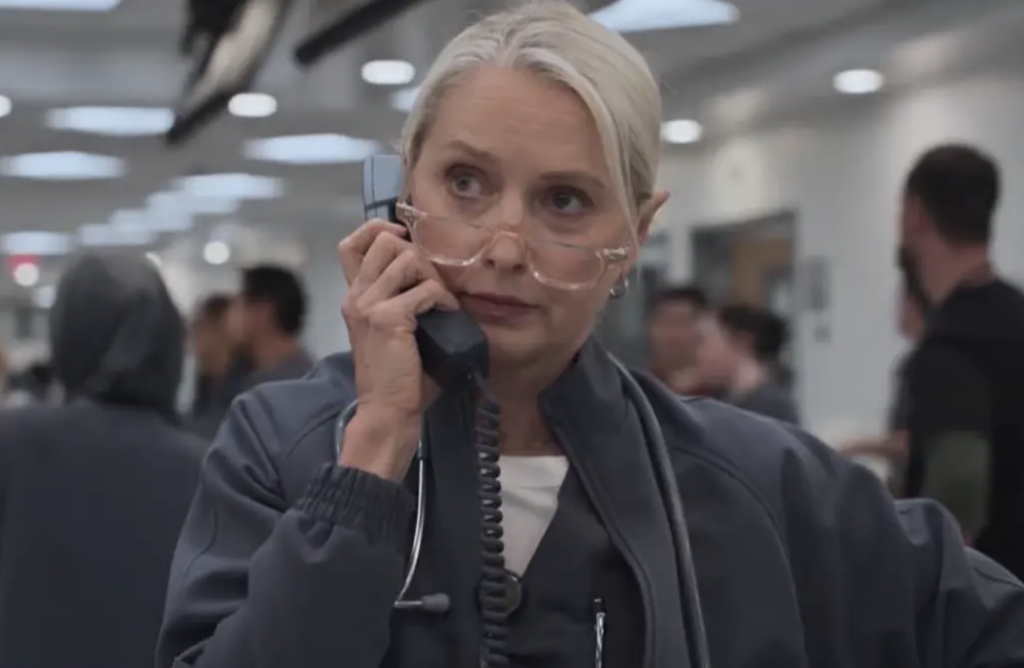
Since it hits so close to real life, I have to comment on charge nurse Dana Evans and her story in the Pitt.
You all know someone like Dana.
Hardworking.
Wise cracking.
Unflappable.
Brings in the right info brochures before you know you need them.
Breaks up fights.
“Huh? This ain’t Philly!”
The kind of person whose name on the whiteboard means it’s going to be a survivable day.
Charge Nurse = player number 10 (the playmaker).
When that irate patient assaulted her, my heart squeezed with the reality that life in the emergency department has certainly become more violent and unpredictable in the last decade.
Verbal abuse.
Emotional stress.
Physical abuse.
Expectations.
Nurses experience a different level of people behaving badly than most doctors will ever know or experience firsthand.
What fascinates me about Dana is that even with a broken nose and a bloody face, she didn’t want the team members to call her husband. She wanted to finish her shift since she knew they were short-staffed that day (and every day).
What does this say about medical culture?
Certainly, Dana’s character represents the kind of backbone healthcare worker whose willingness to show up and do the job helps hide the gaps resulting from chronic underfunding. She’s the type of person who can eat stress for breakfast, but then needs to chainsmoke outside while she shakes her head and wonders “is today the last day?”
Do you recognize and thank the Danas in your life?
Do you see the invisible orchestration and magic behind the scenes?
Perhaps you see yourself in Dana’s character?
In their book “Burnout” the Nagoski sisters mention a rat study where female rats were more likely than male rats to persist when faced with unpredictable yet chronic stressors. But it didn’t mean that the female rats showed less signs of stress. Their bodies “kept score” and yet kept going. They internalized the stressors and kept on functioning.
Should we thank the playmakers in our lives?
Absolutely.
But what else should we do to acknowledge the amazing way they make something out of nothing every day? It’s got to be more than a thank you, right? Because their sacrifice definitely comes at a cost to them that is that is not always seen nor rewarded by those of us who benefit.
Question: “Who is the Dana in your life? What can you do for her or him to recognize that you see their contribution to making your life better?”
